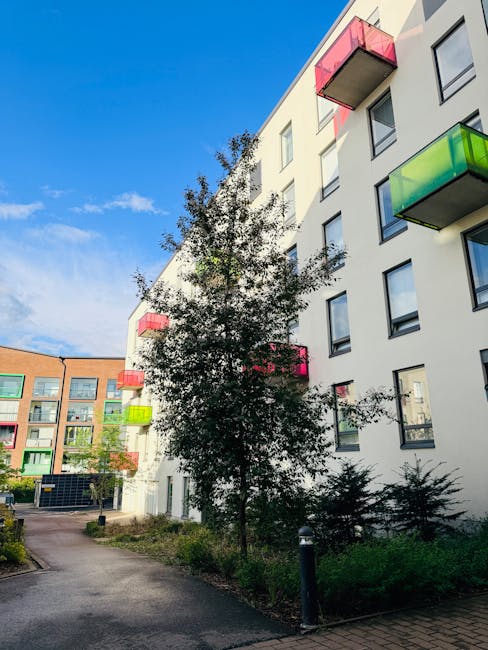
Local gardeners serving Poplar and East India Dock: a practical guide to getting dependable garden help nearby
If you are looking for Local gardeners serving Poplar and East India Dock, you are probably after more than a quick tidy-up. You want someone who understands tight access, shared entrances, small front gardens, balcony pots, back courtyards, and the way London weather seems to switch mood every other week. You also want a team that turns up, works neatly, and leaves the space looking cared for rather than just "cut back".
This guide breaks down what local gardening support usually includes, how the work is organised, what to ask before you book, and where the real value lies. Whether you need regular upkeep, one-off clearance, hedge work, mowing, or help reshaping an awkward outdoor space, the aim is simple: help you make a good decision without the usual guesswork. Let's face it, gardens can become a bit of a project before you even notice.
For a broader look at what a local provider can handle, you can also browse the services overview, or learn more about the team on the about us page.
Table of Contents
- Why local gardening support matters in Poplar and East India Dock
- How the service works in practice
- Key benefits and practical advantages
- Who this is for and when it makes sense
- Step-by-step guidance for booking and preparing
- Expert tips for better results
- Common mistakes to avoid
- Tools, resources and recommendations
- Law, compliance, standards and best practice
- Options and comparison table
- Case study or real-world example
- Practical checklist
- Conclusion
- Frequently asked questions
Why local gardeners serving Poplar and East India Dock matters
A local gardener is not just someone who cuts grass. In a dense East London setting, good gardening work has to fit the property, the access, the neighbours, and the pace of day-to-day life. A small courtyard can need careful hand-weeding and selective pruning, while a larger communal area may need regular mowing, hedge trimming, litter removal, and seasonal resets. The right service adapts to the space instead of forcing the space to fit the service.
Poplar and East India Dock have a mix of residential blocks, terraced homes, managed developments, and compact outdoor areas. That means gardeners often need to work cleanly, move efficiently, and respect shared spaces. A loud, messy, or poorly planned visit can create more problems than it solves. Good local gardeners know how to keep disruption low and results high. Simple, but not always easy.
There is also a trust element. If someone is working close to your home, tenants, or communal entrances, you want clarity around timing, safety, and what happens to green waste. That is where a well-run service stands out. It should feel organised from the first enquiry to the final sweep-up, not a bit improvised at the front gate.
How local gardeners serving Poplar and East India Dock works
In practical terms, the process usually starts with a short discussion about the garden, the access, and the outcome you want. Some jobs are straightforward, such as mowing a lawn or trimming a hedge. Others need more context, especially if the garden has been left for a while, if there is heavy waste, or if the layout includes decking, steps, or narrow passages.
Most good gardening work follows a simple pattern:
- Assessment: The gardener looks at the space, the condition, and any limitations such as access, parking, fragile planting, or shared paths.
- Plan: The required tasks are set out clearly, whether that means garden maintenance, clearance, hedge work, or landscaping support.
- Work: The team completes the agreed tasks using suitable tools and a tidy, methodical approach.
- Finish: Cuttings and waste are cleared, the area is left neat, and any follow-up recommendations are explained.
That sounds basic, but the difference is in the detail. For example, a lawn can look "done" after mowing, yet still need edging, border tidying, and debris removal before it actually feels finished. You notice that straight away when you step outside in the morning and see clean lines instead of half-hearted ones.
If the job involves more than routine upkeep, it may be useful to explore connected services like lawn mowing, hedge trimming, garden clearance, tree lopping and removal, or landscaping, depending on the state of the garden and your long-term aims.
Key benefits and practical advantages
Working with local gardeners in this part of London brings a few clear advantages. The first is responsiveness. A local team can usually understand the area quickly, plan visits more sensibly, and avoid the delays that come from travelling across the city for every small job. That matters when you need something done before an open house, a family gathering, or simply before the weeds take over again.
The second advantage is consistency. A garden that gets maintained regularly tends to be cheaper and easier to keep in shape than one that is left for months and then attacked all at once. Regular care keeps growth in check, improves appearance, and reduces the chance of bigger clean-up jobs later on. Truth be told, this is where many homeowners save money without realising it at first.
The third is presentation. Well-kept planting, neat borders, and trimmed hedging can make a small outdoor space feel brighter and more usable. That matters whether you are living in the property, renting it out, or managing it for others. A tidy exterior changes the feel of the whole place, especially on a grey morning when the bins are out and the rain has just stopped.
There are also practical maintenance gains:
- slower weed spread
- healthier grass and shrubs
- less risk of blocked paths or overgrown access routes
- better drainage visibility
- lower chance of light being blocked by untidy growth
- easier seasonal transitions from spring growth to autumn clear-down
For projects that involve refreshing a space rather than just maintaining it, a combination of landscape gardening and decking services can help create a garden that feels more usable and less awkward.
Who this is for and when it makes sense
This kind of service suits a wider range of people than many expect. Homeowners often need help with overgrown borders, lawns that need reviving, or hedges that have gotten a bit out of hand. Let's be honest, hedges rarely wait politely until you have the time.
Landlords and managing agents also benefit, especially where outdoor areas need to stay presentable for tenants, inspections, or turnover between occupancies. In communal settings, regular upkeep helps avoid complaints and keeps shared grounds in sensible condition.
It also makes sense for:
- busy families who want the garden usable without spending every weekend on it
- older residents who prefer practical help with physically demanding tasks
- new residents who have inherited a neglected garden
- people preparing a property for sale or letting
- small developments or blocks needing routine outdoor care
You may not need a full redesign. Sometimes you just need the basics done properly. Other times you need a little more than basics because the space has drifted into chaos, and there is no shame in that. Gardens do that. They really do.
Step-by-step guidance for booking and preparing
If you want the best result, it helps to be clear about what you need before the gardener arrives. A little preparation saves time and usually improves the outcome.
1. Walk the garden first
Look at the whole space and note what is actually bothering you. Is it the lawn, the edges, the hedge, waste buildup, patchy planting, or simply the general feeling that everything needs attention? Try not to say "just tidy it" unless you mean a broad tidy; that phrase can cover a lot. Too much, in fact.
2. Separate urgent work from optional work
Some jobs are essential, such as clearing access paths, removing dead growth, or cutting back a hedge that is encroaching on walkways. Others are nice-to-have, such as reshaping beds or refreshing a border. Prioritising helps the gardener work efficiently and helps you stay on budget.
3. Share access details early
For Poplar and East India Dock properties, access can be a major factor. Mention gates, locks, entry codes, communal spaces, parking limitations, and any timing restrictions. The more specific you are, the smoother the visit is likely to be.
4. Ask what will happen to waste
Green waste management is one of those small details that makes a big difference. Will clippings be bagged, removed, or left for collection? Is composting part of the process? If recycling and sustainability matter to you, it is worth raising that early and checking whether the team's approach aligns with your expectations. You can also review the provider's recycling and sustainability information for a better sense of their approach.
5. Confirm timing, scope and payment terms
Before any work begins, make sure the scope is understood. What is included, what is excluded, and what would count as additional work? Clear terms reduce misunderstandings later. If you want to understand the commercial side of things, the pricing and quotes page is a useful starting point.
Expert tips for better results
In our experience, the best garden results usually come from combining routine maintenance with seasonal common sense. A few practical habits go a long way.
- Keep maintenance regular: A smaller visit every so often often beats one huge rescue job.
- Protect plants before heavy work starts: If there are shrubs or bulbs you want saved, point them out clearly.
- Be realistic about recovery: Some gardens need more than one visit to return to good shape.
- Use the weather window: After rain, lawns and soil can be softer, while dry spells can stress new planting.
- Match the service to the goal: A quick tidy is not the same as a redesign. Know which one you need.
A good gardener will usually suggest small improvements you may not have considered. For example, reducing shade around a lawn can help it recover better, or reworking a border edge can make a whole garden look sharper without major expense. Those little details matter more than people think.
If you are planning something more structural, it can help to compare maintenance with broader outdoor improvements. A combination of garden maintenance and landscape gardening may be the right route if the space needs both care and redesign.
Common mistakes to avoid
People often make garden decisions too late, or they overcorrect. Both are understandable, but both can cost time and money.
- Waiting until everything is overgrown: The longer you leave it, the more labour the job usually needs.
- Choosing only on price: Cheapest is not always best if the work is rushed or incomplete.
- Not saying what you want kept: A gardener cannot read your mind, sadly. If you want certain plants or features preserved, say so.
- Ignoring access issues: Narrow entry points, locked gates, and parking limits can affect how efficiently the work is done.
- Assuming all gardening jobs are the same: Mowing, hedge trimming, clearance, and landscaping all require different time, tools, and care.
Another common issue is expecting one visit to solve months of neglect. Sometimes it will, but often the garden needs a reset and then follow-up care. That is not a failure; it is just how outdoor spaces work.
Tools, resources and recommendations
You do not need specialist knowledge to make a good choice, but a few practical checks help. When talking to a local gardener, it is useful to ask what equipment they use, whether the tools are suitable for the size and type of garden, and how they handle awkward areas such as steps, corners, and soft ground.
Typical tools for this kind of work may include lawn mowers, strimmers, secateurs, hedge cutters, pruning saws, wheelbarrows, and waste bags or tubs. For more involved projects, you may also need edging tools, soil preparation equipment, or machinery for heavier clearance work. The specific kit matters less than whether it is appropriate, well maintained, and used carefully.
Other useful things to review include:
- clear service descriptions
- written quotes or scope notes
- insurance and safety information
- responsible waste handling
- communication methods for changes or follow-up visits
If you want a better feel for operational standards, take a look at the company's insurance and safety information and the health and safety policy. Those pages help set expectations without overcomplicating things.
Law, compliance, standards and best practice
Gardening work is not the same as regulated trade work in every sense, but there are still important standards and common-sense duties to keep in mind. In the UK, a professional service should handle work safely, dispose of waste responsibly, and avoid causing unnecessary damage to property, shared areas, or neighbouring spaces.
For example, if a team is working near communal entrances or shared access paths, they should keep the site orderly and reduce trip hazards. If cutting or clearance work could affect walls, fences, or nearby planting, the work should be planned carefully rather than rushed. And if equipment is being used in a busy residential setting, noise, timing, and surrounding access all deserve attention.
It is also worth checking that the service has a clear process for payments, customer terms, and complaints handling. That may sound boring, but boring is often what you want when things are going smoothly. You can review the provider's payment and security information, terms and conditions, and complaints procedure if you want that added reassurance.
For larger clearance jobs, responsible disposal matters even more. Check whether green waste is separated and whether the service aims to recycle where practical. If sustainability is a priority, this can influence who you choose.
Options and comparison table
Different garden jobs call for different approaches. The table below gives a simple way to think about it.
| Service type | Best for | Main advantage | Watch out for |
|---|---|---|---|
| Routine garden maintenance | Ongoing upkeep, tidy borders, light pruning | Keeps the garden in good shape with less effort later | Can be too light for heavily neglected spaces |
| Lawn mowing | Lawns that need regular cutting and edging | Fast visual improvement and cleaner presentation | Needs follow-up if grass is uneven or heavily overgrown |
| Hedge trimming | Formal hedges, boundary screening, access control | Sharpens the whole look of the property | May need more than one pass if growth is dense |
| Garden clearance | Overgrown, cluttered, or neglected outdoor spaces | Creates a fresh starting point | May reveal hidden issues that need more work |
| Landscaping / landscape gardening | Layout changes, new features, better usability | Improves structure and long-term function | Usually needs planning, not just a quick visit |
If you are unsure which route fits your garden, start with the services overview and compare it against the actual condition of your space. That simple step prevents a lot of muddled expectations.
Case study or real-world example
Here is a realistic example from the kind of work that comes up often in local areas like Poplar and East India Dock.
A resident in a compact property with a small rear garden wanted the space usable again before the warmer months. The lawn was patchy and long, the hedge was spilling into the walkway, and the borders had turned into a tangle of weeds and low growth. Nothing dramatic, just one of those gardens that had quietly run away with itself.
The sensible approach was not to redesign everything at once. First came clearance of the obvious mess, then a proper cut of the lawn, then hedge trimming to reopen the path and bring in more light. Once the area was reset, the remaining question was whether to keep it as a low-maintenance garden or move toward a more structured layout with better edges and planting. That decision could wait until the basics were under control.
The important lesson? A good local gardener does not push every customer into a big project. Sometimes the best outcome is simply a garden that feels manageable again. And that relief is real. You can hear it in the way people talk about the space afterwards.
Practical checklist
Use this before you book or before the gardener arrives.
- Have I identified the main problem areas?
- Do I know whether I need maintenance, clearance, mowing, hedge work, or landscaping?
- Have I explained access details clearly?
- Have I listed any plants, features, or boundaries that must be protected?
- Do I know what will happen to green waste?
- Have I checked how the work will be priced?
- Do I understand what is included and what is extra?
- Am I expecting a tidy-up or a bigger transformation?
- Have I thought about regular follow-up rather than one-off rescue work?
- Do I have the right contact details if anything changes on the day?
Expert summary: The best results come from clear scope, realistic expectations, and regular upkeep. Not glamorous, maybe, but very effective. A small amount of planning upfront can save a lot of effort later and make the whole experience smoother for everyone involved.
Conclusion
Choosing Local gardeners serving Poplar and East India Dock is really about choosing reliability, local understanding, and a service that fits the way your outdoor space is actually used. Whether your garden needs a quick seasonal tidy, ongoing care, or a more involved reset, the right help should feel practical, respectful, and easy to trust.
The strongest outcome is usually not the flashiest one. It is the garden that stays manageable, looks cared for, and makes life a little calmer when you step outside. That is the value people notice a week later, then a month later, and again when the weather turns and the garden still holds its shape.
If you are comparing options, start with what you need now, what you want to avoid later, and how much support makes sense for the long term. The rest tends to fall into place. One neat job can change the feel of the whole property, honestly.
Get a free quote today and see how much you can save.
Frequently Asked Questions
What do local gardeners serving Poplar and East India Dock usually help with?
They typically handle routine garden maintenance, lawn mowing, hedge trimming, garden clearance, pruning, and sometimes wider landscaping work. The exact mix depends on the condition of the garden and what you want to achieve.
How often should I book garden maintenance?
That depends on growth and use. Some gardens only need occasional visits, while others benefit from regular maintenance through the growing season. A good rule is to keep up with the garden before it becomes a bigger job.
Is one-off garden clearance enough for an overgrown space?
It can be, if the goal is simply to reset the area. But if you want the garden to stay under control, follow-up maintenance is often the smarter choice. A one-off clearance gets you back to zero; maintenance keeps you there.
What should I ask before booking a gardener?
Ask what is included, how waste will be handled, whether access needs to be arranged, and how the work is priced. Those details matter more than people think, especially in shared or compact properties.
Do gardeners work with small gardens and courtyards?
Yes, and in areas like Poplar and East India Dock, that is very common. Small spaces often need careful trimming, edging, and tidy finishing rather than large-scale work.
Can gardeners improve the look of a tired outdoor space without a full redesign?
Absolutely. Sometimes a better cut, sharper edges, hedge work, and a bit of clearance make the space feel far more usable. You do not always need a full transformation.
How do I know if I need landscaping rather than maintenance?
If the garden needs layout changes, new features, better flow, or structural improvements, landscaping is probably the better fit. If the garden is already fine but needs ongoing care, maintenance is usually enough.
What happens to the waste after gardening work?
That depends on the service, but garden waste is usually bagged, removed, recycled where possible, or managed in line with the agreed plan. It is wise to ask this in advance so nothing is assumed.
Are local gardeners suitable for landlords and managed properties?
Yes. Local gardeners are often a practical choice for rental homes, communal spaces, and managed properties because they can keep outdoor areas presentable and easier to maintain over time.
What is the biggest mistake people make with garden services?
Waiting too long. Once a garden gets badly overgrown, the job becomes more time-consuming and less predictable. Regular care is usually easier, cheaper, and less stressful in the long run.
Can I combine mowing, hedge trimming, and clearance in one visit?
Often yes, if the scope is agreed in advance. That can be efficient and may save you the hassle of arranging separate visits for different tasks.
How do I get the best value from a gardener?
Be clear about priorities, provide access details, ask about waste removal, and consider regular maintenance rather than waiting for emergencies. Good communication tends to deliver better results, plain and simple.
For more background on the team and their approach, you may also find the about us page helpful, especially if you want to understand how the service is organised before making a decision.