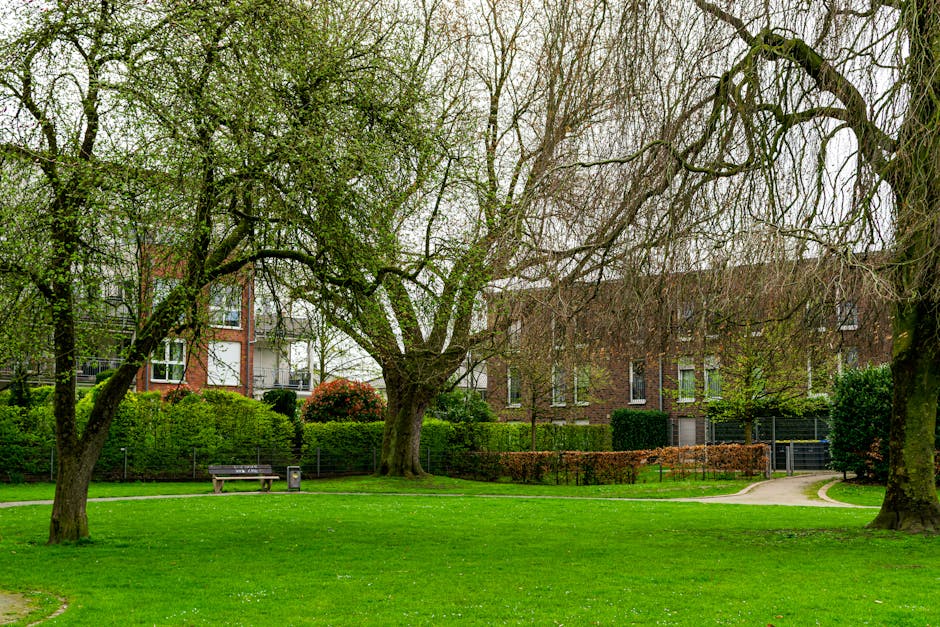
Gardeners for Millennium Quarter estates and riverside flats
If you live or manage a home in Millennium Quarter, you already know the gardening brief is a bit different. The planting has to look sharp, the communal spaces need to feel welcoming, and the work has to fit around residents, deliveries, bin days, wind, rain, and the general rhythm of riverside living. Gardeners for Millennium Quarter estates and riverside flats need to do more than mow a lawn and tidy a border. They need to keep things neat, safe, and quietly impressive, week after week.
That is where a practical, estate-aware approach makes all the difference. In this guide, we will look at what this kind of service actually involves, how it works in real life, what to expect from a good contractor, and how to avoid the common problems that cause frustration for residents and property managers alike. If you have ever looked out over a tidy courtyard or shared frontage at 8am and thought, "Why can't it stay like this all month?" - well, that is exactly the point.
For a broader view of the available services, it can also help to review the services overview and the dedicated garden maintenance page before making a decision.
Table of Contents
- Why Gardeners for Millennium Quarter estates and riverside flats Matters
- How Gardeners for Millennium Quarter estates and riverside flats Works
- Key Benefits and Practical Advantages
- Who This Is For and When It Makes Sense
- Step-by-Step Guidance
- Expert Tips for Better Results
- Common Mistakes to Avoid
- Tools, Resources and Recommendations
- Law, Compliance, Standards, or Best Practice
- Options, Methods, or Comparison Table
- Case Study or Real-World Example
- Practical Checklist
- Conclusion
- Frequently Asked Questions
Why Gardeners for Millennium Quarter estates and riverside flats Matters
Millennium Quarter and similar riverside developments have a specific kind of outdoor environment. The spaces are often semi-public, shared by residents, and visible from balconies, footpaths, reception entrances, and nearby streets. That means the landscaping has a reputation to keep. When the planting beds are messy, hedges overhang, or grass goes patchy, everybody notices. When it is well maintained, the whole place feels calmer and better cared for.
There is also the practical side. Wind exposure is often stronger near the river. Some planting areas can dry out quickly in summer, while shaded corners stay damp after rain. Containers may need more attention than ground beds. And in apartment buildings, access can be awkward - not impossible, just awkward. Good gardeners understand these little realities and plan around them rather than pretending every site is a flat, easy lawn in the suburbs. Truth be told, that is where many standard gardening services fall short.
For estates, the appearance of outdoor areas can influence how residents feel about their home and how visitors perceive the development. For riverside flats, the garden or shared terrace may be one of the main pieces of liveable outdoor space. So the maintenance is not decorative fluff. It is part of the everyday quality of life.
If you also need a team that can handle clearance after a seasonal tidy-up or a neglected period, the garden clearance service is worth a look, especially where beds, planters, and access routes have become overgrown.
How Gardeners for Millennium Quarter estates and riverside flats Works
The best way to think about this service is as a maintenance system, not a one-off job. On a typical estate or riverside flat block, the work usually happens on a planned cycle. That might mean weekly visits in the growing season, then lighter maintenance during colder months. The exact schedule depends on the planting, the size of the communal areas, and how much foot traffic the site gets.
A good gardener will usually begin with a site review. They will look at grass areas, hedging, borders, planters, access points, drainage issues, and any features such as decking or raised beds. They will also note practical things: where waste can be stored, when residents are most likely to be arriving or leaving, and whether any sections need quieter working methods.
From there, the service is normally built around repeat tasks such as:
- grass cutting and edging
- hedge trimming and boundary shaping
- pruning and deadheading where appropriate
- weed control and border tidying
- leaf clearance and seasonal clean-ups
- checking planting health and replacing weak specimens when needed
- keeping paths, entrances, and shared spaces neat and safe
Some estates also need specialist work from time to time. If a hedge line has got out of hand or is starting to block light, a dedicated hedge trimming service can restore shape and keep things manageable. If the grass is a big part of the visual impression, lawn mowing is usually one of the core routine visits.
Where larger changes are needed, the conversation may move beyond maintenance and into landscape gardening or broader landscaping. That can include refreshing tired planting, improving drainage, reshaping a courtyard, or making a riverside frontage more resilient.
Key Benefits and Practical Advantages
Good gardening for estate and riverside living brings more benefits than people often expect. Some are obvious. Others sneak up on you after a few months of consistent care.
- Better first impressions: Clean edges, healthy planting, and tidy entrances make a development feel looked after.
- Less resident frustration: When shared spaces are maintained consistently, there are fewer complaints about mess, weeds, or blocked paths.
- Improved plant health: Regular care stops small problems from turning into expensive replacements later.
- Safer access: Clear walkways and reduced overgrowth help lower trip and snag risks.
- More predictable budgeting: Planned maintenance is usually easier to manage than repeated emergency call-outs.
- Better use of outside space: Residents are more likely to sit out, walk through, or enjoy a courtyard that feels clean and calm.
There is another practical advantage that people sometimes overlook: regular gardening creates continuity. A site that gets looked after by someone who knows it well tends to improve over time. The gardener learns where moss appears after rain, which planters dry out too fast, and which shrubs need a light touch rather than a hard prune. That sort of site memory matters more than most people think.
And yes, it also saves awkward conversations with management when the rosemary has swallowed the entrance sign. Happens more than you'd imagine.
Who This Is For and When It Makes Sense
This kind of service is a natural fit for managing agents, block managers, residents' associations, freeholders, and property teams responsible for communal outdoor areas. It also makes sense for homeowners in riverside apartments who have terraces, balcony planters, or shared courtyard access and want the whole area to stay in good shape without constantly chasing small issues.
You are likely to benefit if any of the following sound familiar:
- the garden looks fine right after a visit but slips quickly between maintenance rounds
- residents complain about weeds, litter, or overgrown edges
- planting looks tired in windy or shaded areas
- there are access issues because paths or borders are too dense
- you need a contractor who can work neatly around communal living
- the site has a mix of soft landscaping, decking, and paved circulation areas
This service is also sensible when you want a clearer link between everyday upkeep and long-term property value. Let's face it: a patchy courtyard or scruffy frontage can drag down the feel of an otherwise excellent building. People may not say it out loud, but they notice.
If your outdoor areas include timber features or communal seating zones, you may also need the support of decking services to keep those surfaces safe, tidy, and visually aligned with the rest of the space.
Step-by-Step Guidance
If you are organising gardeners for a Millennium Quarter estate or riverside flat development, the process is usually smoother when you handle it in stages. A rushed start often leads to missed details. A measured start gets better results. Simple as that.
- Define the areas that need care. List lawns, beds, hedges, planters, paths, entrance zones, and any special features. It sounds basic, but this prevents scope confusion later.
- Identify the main pain points. Is it weeds, litter, overgrowth, poor plant performance, or all of the above? Knowing the problem helps shape the service.
- Decide on the frequency. Weekly, fortnightly, or seasonal work all have different outcomes. Riverside planting often needs a more regular watch than people assume.
- Check access and site rules. Think about keys, fobs, parking, lift access for tools, noise timing, and where waste can be left for collection.
- Ask for a tailored plan. A proper maintenance plan should cover routine tasks, seasonal adjustments, and how urgent issues will be handled.
- Review safety and insurance basics. That matters on communal sites, especially where there are residents, visitors, and shared walkways.
- Monitor the first few visits. Not because you expect trouble, but because a good early rhythm sets the tone for the whole contract.
In our experience, the first month tells you a lot. You can usually see very quickly whether the gardener understands the site or is just moving through it. The good ones notice details others miss: a blocked drain cover, a wind-scoured bed, a boundary shrub that needs softening rather than hacking back. That's the stuff that makes a site feel cared for.
Expert Tips for Better Results
A few small choices can make a big difference on riverside and estate sites.
Match the planting to the environment. Wind, reflected heat, shade, and salt-laden air can all affect plant performance. In plain English, not every attractive plant is a good fit. Some will look wonderful for three weeks, then sulk for the rest of the year.
Prioritise structure over novelty. On communal sites, reliable shrubs, simple border shapes, and resilient planting tend to outperform fussy, high-maintenance schemes. There is a place for seasonal colour, but the backbone should be sturdy.
Use consistent edges and lines. Clean mowing lines, trimmed hedges, and clear path boundaries make even modest planting look sharper. Small visual discipline goes a long way.
Keep an eye on drainage and compaction. Areas near entrances or busy routes may need aeration, top-up soil, or better water management. If an area always looks tired after rain, the issue may not be "bad plants" at all.
Ask for recycling and waste handling to be clear. Green waste should be dealt with sensibly, not just dumped in a corner and forgotten. Responsible waste practice is part of the job. If that matters to you, the page on recycling and sustainability is a useful reference point.
Keep a seasonal eye on trees and taller planting. Overhanging branches, blocked light, and weak growth can become a problem quickly in exposed urban settings. Where needed, specialist tree lopping and removal may be part of the solution, though always handled carefully and only where it is actually necessary.
Expert summary: the best gardens in shared developments are not the most elaborate ones. They are the ones that stay neat, healthy, and easy to live with throughout the year.
Common Mistakes to Avoid
It is easy to get estate garden care wrong in small ways that add up. These are the mistakes we see most often.
- Choosing a one-size-fits-all approach. Riverside flats and inner courtyard estates have different conditions, and the maintenance plan should reflect that.
- Setting the schedule too loosely. If visits are too infrequent, the site stops looking maintained and starts looking recovered.
- Ignoring seasonal pressure. Spring growth can explode, while autumn leaf fall can make paths look untidy fast.
- Focusing only on mowing. Lawns are only one part of the picture. Borders, hedges, and entrances matter just as much.
- Skipping site notes. A gardener who does not record repeat issues will keep rediscovering them. Bit of a waste, really.
- Over-pruning or over-clearing. Hard cutting can stress plants and leave communal spaces looking bare or harsh.
- Not planning for resident movement. A visit that ignores daily foot traffic, deliveries, and access windows creates friction for everyone.
There is also the temptation to tidy too aggressively after neglect. Sometimes a strong clearance is needed, but if the whole site is stripped back without judgement, the result can feel stark and unfinished. Better to restore balance than to create a bare, overcorrected space.
Tools, Resources and Recommendations
Good gardening is part skill, part observation, part practical equipment. On Millennium Quarter estates and riverside flats, the right tools make jobs cleaner and quieter. That matters when people are living just a few metres away.
Useful equipment and resources often include:
- commercial mowers suited to small and medium lawn areas
- sharp hand tools for edging, pruning, and detail work
- hedge trimmers that can handle regular shaping without tearing growth
- leaf blowers or collection tools used carefully in shared areas
- waste bags, bins, or transport arrangements for green waste removal
- plant replacement stock chosen for exposed urban conditions
- site notes or maintenance logs for repeat issues and seasonal changes
For site managers comparing service options, it helps to understand the broader package. Some teams are best for routine upkeep, while others are better for one-off transformations. If you are unsure where your project sits, looking through the services overview again can help separate ongoing maintenance from larger landscaping work.
And if the garden is simply full of old clippings, broken pots, and forgotten debris, a focused garden clearance visit may be the smarter first step before regular maintenance begins.
Law, Compliance, Standards, or Best Practice
On communal residential sites, safety and professionalism matter just as much as appearance. You do not need a garden service to turn into a legal seminar, thankfully, but a few standards and best practices are worth keeping in mind.
First, contractors should work in a way that protects residents, visitors, and themselves. That includes sensible use of tools, awareness of trip hazards, careful handling of waste, and a tidy work area. Where access is shared, things can go wrong quickly if hoses, tools, branches, or bags are left around. The most professional crews are usually the least dramatic. They just get on with it, quietly and safely.
Second, insurance and clear working practices are important for communal properties. If you are managing a block or estate, it is reasonable to expect confirmation that the team has appropriate cover and understands site safety expectations. You can review the provider's approach via the insurance and safety page and their health and safety policy.
Third, clear business terms matter. It helps everyone if pricing, scope, and responsibilities are written down properly, especially for recurring work. That reduces misunderstanding later. For that side of things, the pricing and quotes page and the terms and conditions page are useful to review before work begins.
Finally, sustainability is increasingly part of good practice, not an optional extra. Responsible waste handling, sensible plant choice, and lower-impact maintenance methods all contribute to a better long-term result. Nothing flashy. Just decent, thoughtful work.
Options, Methods, or Comparison Table
Not every site needs the same level of service. Here is a simple comparison that can help you choose the right approach.
| Approach | Best for | Strengths | Watch-outs |
|---|---|---|---|
| Basic routine maintenance | Small communal gardens, courtyards, light planting | Cost-effective, predictable, easy to schedule | May not be enough for fast-growing or neglected spaces |
| Enhanced maintenance | Riverside flats with varied planting and visible entrances | Better detail work, improved presentation, stronger seasonal response | Needs clearer planning and communication |
| Maintenance plus landscaping | Sites needing reshaping, planting refresh, or layout changes | Can solve long-term issues and improve usability | Usually takes more coordination and a bigger budget |
| Clearance then maintenance | Overgrown or poorly managed communal areas | Resets the site properly before regular care begins | Not a substitute for ongoing upkeep |
In many cases, the best answer is not choosing one method forever. It is starting where the site is today, then adjusting as the space improves. That is the honest version, anyway.
Case Study or Real-World Example
Consider a riverside apartment block with a small communal frontage, a narrow lawn strip, and several raised planters. At first glance, it looks manageable. Then spring arrives. The grass grows unevenly because one section is shaded most of the day, the planters dry out quickly in a windy patch, and the hedge by the entrance starts brushing against residents as they pass.
The solution is not dramatic. It is disciplined. The lawn is cut on a regular cycle, the hedge is trimmed back before it blocks the path, and the planters are switched to hardier planting with a better watering routine. A few tired shrubs are removed and replaced. Edges are kept crisp. Green waste is cleared properly. No grand redesign, no fuss, just consistent care.
After a few visits, the whole place feels calmer. Residents stop stepping around the same snag points. The entrance looks sharper on dark winter mornings, and in late afternoon you can actually see the structure of the planting rather than a blur of unmanaged growth. That is the kind of improvement people notice without always being able to explain why.
For a management team, that kind of steady improvement is valuable because it reduces complaints and gives the development a more polished feel. For residents, it simply means the outside space becomes pleasant to use again. Which, to be fair, is what everyone wanted in the first place.
Practical Checklist
Use this checklist when arranging gardeners for a Millennium Quarter estate or riverside flat development.
- Have you listed all communal garden areas, entrances, and shared paths?
- Do you know which parts need weekly, fortnightly, or seasonal attention?
- Have you identified problem areas such as weeds, shade, wind exposure, or drainage issues?
- Are access arrangements clear for residents, staff, and contractors?
- Has the proposed service included mowing, hedge work, border care, and clearance where needed?
- Are safety, insurance, and site working practices understood?
- Have pricing and quote details been reviewed clearly?
- Is waste removal and recycling handled responsibly?
- Does the plan allow for seasonal growth and quieter winter periods?
- Will the same team be maintaining the site regularly, so they learn its rhythms?
Quick reminder: if a site starts with clutter, overgrowth, or old debris, fix the foundations first. Good maintenance works best on a clean base.
Get a free quote today and see how much you can save.
Conclusion
Gardeners for Millennium Quarter estates and riverside flats need to do more than keep things looking tidy. They need to understand shared living, exposed conditions, seasonal changes, and the small details that make an estate feel cared for rather than merely maintained. When the work is done properly, residents notice it in a quiet way. The grass looks better. The entrance feels welcoming. The whole place has a bit more dignity about it.
If you are planning maintenance for a development like this, focus on consistency, site awareness, and practical communication. That combination tends to produce the best outcome, and it saves a lot of hassle later on. Not perfect. Just properly looked after. And honestly, that is usually enough to make a big difference.
Frequently Asked Questions
What do gardeners for Millennium Quarter estates and riverside flats usually do?
They usually handle routine maintenance such as mowing, hedge trimming, border care, pruning, weed control, leaf clearance, and keeping communal outdoor areas tidy and safe. In some cases, they also help with clearance or larger landscaping improvements.
How often should communal gardens be maintained?
It depends on the planting, weather exposure, and how much the space is used. Many sites benefit from weekly or fortnightly attention during the growing season, with lighter seasonal visits in colder months. Riverside locations often need closer monitoring because conditions can change quickly.
Are riverside flats harder to maintain than standard gardens?
Often, yes. Wind, shade, drainage differences, and limited access can make maintenance more complex. That does not mean they are difficult to manage, just that the approach needs to be more considered.
Can one service cover both lawns and hedges?
Yes. A good maintenance plan usually includes multiple tasks, such as lawn mowing and hedge trimming, rather than treating each element separately. That keeps the whole site looking consistent.
What if the garden has become neglected?
A garden clearance visit is often the best first step. Once the space is reset, regular maintenance becomes much easier and more effective. Trying to maintain a badly overgrown site without clearing it first usually leads to frustration.
Do I need landscaping or just maintenance?
If the site is basically in good shape but needs regular care, maintenance may be enough. If the layout, planting, or drainage is causing ongoing problems, landscaping or landscape gardening may be more suitable. It depends on whether you need upkeep or change.
How do I know if a gardener understands communal living?
Look for practical awareness of access, resident movement, working hours, waste handling, and safety. Someone who works well on communal sites will think about the building as a lived-in place, not just a patch of green.
Is decking part of garden maintenance for flats?
It can be. If a communal space includes timber decking, that area may need separate attention through decking services to keep it safe and presentable alongside the planting.
What should be included in a quote?
A useful quote should clearly explain the scope of work, visit frequency, what is included, how waste is handled, and any limitations or exclusions. Clear terms are especially important for recurring communal work.
How do safety and insurance affect my choice?
They matter a lot on communal sites because there are residents, visitors, and shared pathways to consider. A responsible contractor should be able to explain their safety approach and insurance arrangements in plain English.
Can gardeners help improve biodiversity in shared estates?
Yes, often through better plant selection, sensible pruning, varied planting, and less disruptive maintenance. Small changes can support a healthier, more resilient site without making it look wild or unkempt.
What is the best next step if I am comparing providers?
Start with the service details, then compare scope, site understanding, safety approach, and pricing clarity. If you want to explore the service range first, the services overview is a useful place to begin, followed by the pages on garden maintenance and pricing and quotes.