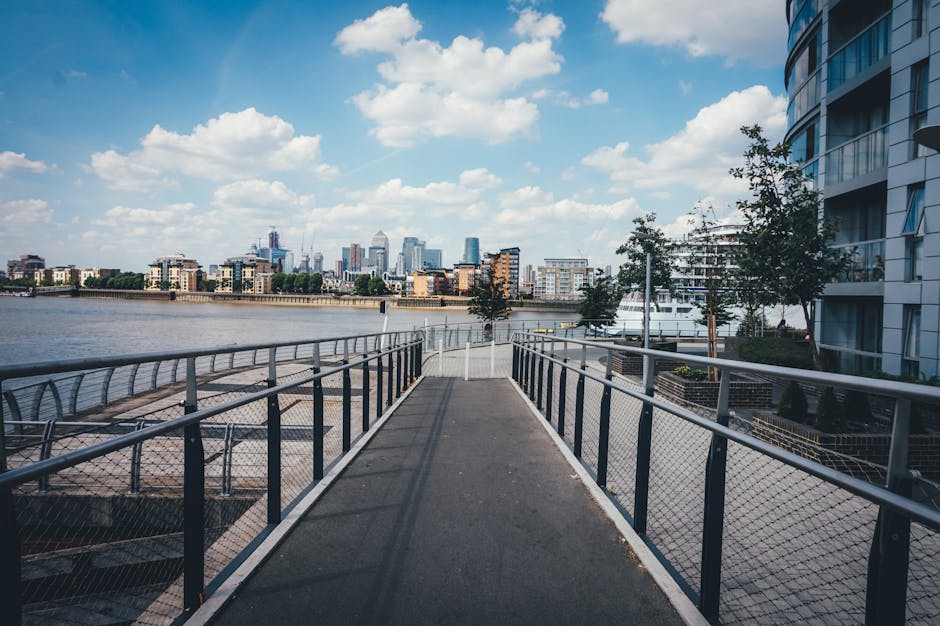
Best gardeners for Canary Wharf balconies and courtyards
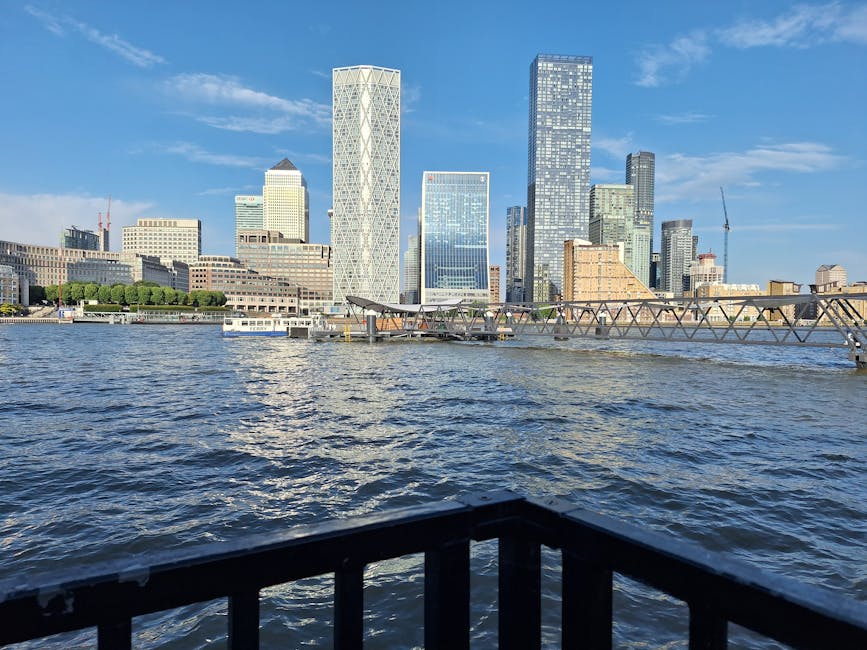
Finding the best gardeners for Canary Wharf balconies and courtyards is a little different from hiring someone for a typical suburban garden. Space is tighter, wind is stronger, access can be awkward, and every plant, planter, and paving edge has to earn its place. If you live or work around Canary Wharf, you probably want an outdoor space that looks polished without becoming a constant maintenance headache. Fair enough, really.
This guide breaks down what makes a good balcony and courtyard gardener, how the work is usually planned, what to look for before you book, and the practical mistakes that can turn a neat space into a frustrating one. You will also find a comparison table, a checklist, and a realistic example so you can make a calm, informed choice rather than guessing on price alone.
Why Best gardeners for Canary Wharf balconies and courtyards Matters
Canary Wharf outdoor spaces tend to be compact, exposed, and visually important. A balcony might be the place you drink coffee before the day starts; a courtyard may be the first thing guests notice when they arrive. That means every detail counts. The wrong plant can look tired in a week. Poor drainage can leave puddles. A sloppy trim can make a smart space feel neglected very quickly.
That is why the best gardeners for Canary Wharf balconies and courtyards are not just people who "do plants". They are practical problem-solvers. They understand container gardening, light levels, wind exposure, privacy screening, seasonal upkeep, and the reality of working in a modern London setting where access, lift use, neighbours, and building rules can all shape the job.
In our experience, people usually underestimate how much skill it takes to keep a small space looking effortless. Truth be told, a compact courtyard can be harder to manage than a larger garden because there is nowhere for mistakes to hide. A few badly chosen shrubs, and suddenly the whole place feels crowded.
If you are comparing options, it helps to look beyond the phrase "gardeners near me" and think about the actual service fit. A strong local provider should be able to handle routine care through garden maintenance, tidy up overgrown areas through garden clearance, and, where needed, advise on structural improvements via landscaping or landscape gardening.
How Best gardeners for Canary Wharf balconies and courtyards Works
Good balcony and courtyard gardening usually starts with a short assessment. The gardener looks at the site, checks what gets sun and shade, notices how exposed the space is, and asks how you want it to feel. Calm and green? Smart and minimalist? Easy-care with a few statement pots? Those answers shape everything that follows.
From there, the work normally falls into a few layers:
- Site review: checking dimensions, access, existing planters, drainage, and the condition of any paving or decking.
- Plant selection: choosing species that cope with wind, limited root space, and the right amount of light.
- Set-up or refresh: replacing tired compost, replanting containers, trimming back awkward growth, or redesigning the layout.
- Routine upkeep: watering support, deadheading, feeding, pruning, and seasonal rotation.
- Longer-term improvements: screens, trellises, built-in planters, or surface upgrades where needed.
Balconies often need a lighter-touch, mobile setup: pots, troughs, vertical planting, and lightweight materials. Courtyards can usually take a little more structure. But there is no magic formula. A north-facing courtyard with heavy shade and little airflow may need a very different approach from a bright balcony with a view over the docklands.
One thing that separates experienced gardeners from average ones is how they handle maintenance over time. It is not just about the first day, when everything looks fresh and tidy. It is about what the space looks like three months later, after a windy spell, a bit of neglect, and the usual London weather doing its thing.
Key Benefits and Practical Advantages
A well-managed balcony or courtyard can quietly improve everyday life. Not in a flashy way. More in the "you actually enjoy using it again" way.
- Better use of limited space: compact layouts work harder when every pot, edge, and path is planned properly.
- Less ongoing stress: a sensible maintenance routine prevents the usual problems from snowballing.
- Improved privacy and comfort: planting and screens can soften sightlines without making the space feel boxed in.
- More consistent appearance: neat trimming, healthy foliage, and clean surfaces make a small area feel much bigger.
- Lower risk of plant loss: the right choices survive wind, shade, and container stress far better.
- Safer, tidier outdoor living: fewer loose pots, less debris, and better drainage all matter on upper-level spaces.
There is also a mental benefit people often mention after the work is done. Open the door, see greenery that actually looks alive, hear the soft movement of leaves, smell fresh compost after rain. It changes the feel of the day. Small thing, maybe. But not really small.
For courtyards, the benefit can be even more practical. A courtyard is often semi-private and highly visible, so a tidy scheme can create a much stronger first impression. That is especially useful in shared residential buildings, office terraces, and mixed-use developments where appearance and upkeep need to stay consistently sharp.
Who This Is For and When It Makes Sense
This kind of gardening service makes sense for a few different people. Some want a full redesign. Others just want the space rescued from a slightly sorry state. Both are valid.
- Flat owners and renters who want a low-maintenance balcony that still feels personal.
- Landlords and letting agents needing communal or private outdoor areas to look well cared for.
- Business premises with courtyards, terraces, or reception-adjacent planting that reflects the brand.
- Developers and property managers looking for consistent upkeep and reliable presentation.
- Busy residents who know they will not keep up with watering, pruning, and seasonal refreshes themselves.
It also makes sense when the current setup is fighting you. Maybe the plants keep failing because the balcony is too windy. Maybe a courtyard feels cramped because the pots are the wrong size. Maybe the place looks dull all year because no one has ever planned for winter structure. That is where a good gardener earns their keep.
And if there are larger issues, such as damaged surfaces, overgrown features, or awkward layout problems, it may be worth combining maintenance with services overview planning, or discussing whether decking services or broader landscaping would improve usability.
Step-by-Step Guidance
If you want to hire the best gardeners for Canary Wharf balconies and courtyards, a structured approach helps. It keeps the conversation practical and avoids vague promises.
- Define the outcome. Do you want privacy, colour, year-round greenery, easier upkeep, or a full refresh?
- Measure the space. Even rough measurements help a lot. Include height restrictions, access points, and any awkward corners.
- Note the conditions. Check sun, shade, wind, rain exposure, and how quickly the space dries out after watering.
- List the current problems. Overgrown plants, broken pots, tired soil, patchy paving, clutter, or poor drainage all matter.
- Ask about maintenance frequency. Some spaces need weekly attention in peak season; others only need monthly visits.
- Request a clear scope. Know what is included: planting, pruning, waste removal, watering advice, or supply of materials.
- Plan for seasonal change. A good scheme should still look decent in winter, not just in May.
Here is a simple way to think about it: if the gardener seems to skip straight to plants without asking about access, drainage, or maintenance, keep looking. That is a red flag. Small urban outdoor spaces live and die by the boring details, and the boring details are where expertise shows up.
Expert Tips for Better Results
There are a few habits that consistently improve balcony and courtyard results. Not glamorous, but effective.
- Choose container-ready plants. Some plants cope beautifully in open ground and then sulk in pots. Container suitability matters.
- Use layered planting. Mix height, texture, and structure so the space looks intentional, not just filled.
- Keep a reserve plan. If a plant fails, have a fallback species in mind. Urban wind can be a bit rude, honestly.
- Prioritise drainage. Waterlogged containers are one of the fastest ways to lose healthy-looking plants.
- Think about maintenance access. If a planter is hard to reach, it will probably be neglected. Simple as that.
- Use evergreen structure. That keeps the space interesting even when flowers are scarce.
- Leave room to breathe. Overcrowding is common in small spaces and makes everything harder to maintain.
If you are after a cleaner, more formal finish, pruning and edging from hedge trimming can help define boundaries and keep screens from getting scruffy. For places with grass, a reliable lawn mowing service is useful, although many Canary Wharf balconies and courtyards rely more on planting and hard surfaces than on turf.
Sometimes the best move is restraint. Not every space needs another pot. Sometimes it needs one better pot, placed properly. That is the slightly annoying truth, but it is true.
Common Mistakes to Avoid
Most problems with compact outdoor spaces come from rushing decisions. People buy on impulse, then spend months dealing with the consequences.
- Choosing plants for looks alone: pretty is good, but suitability is better.
- Ignoring wind exposure: balconies in Canary Wharf can be surprisingly exposed, especially higher up.
- Overloading the space: too many pots can make cleaning, watering, and movement awkward.
- Skipping drainage checks: standing water can damage both plants and surfaces.
- Picking the wrong contractor: not every gardener understands tight access, shared buildings, or maintenance planning.
- Forgetting seasonal upkeep: a one-off refresh can fade quickly without follow-up care.
There is also a subtle mistake people make: they assume a courtyard is easier than a balcony because it is on the ground. Sometimes yes. Sometimes no. A courtyard can have shade, damp, limited airflow, and awkward paving edges that are a pain to keep tidy. So, no, it is not automatically the easier option.
Tools, Resources and Recommendations
You do not need a garage full of specialist kit for good balcony or courtyard gardening, but the right tools make the work cleaner and safer.
- Lightweight containers: easier to move and less likely to overload the structure.
- Good-quality compost and top dressing: tired soil is one of the most overlooked issues in pots.
- Watering cans or compact irrigation tools: useful where hose access is limited.
- Sharp hand tools: neat pruning and deadheading are quicker with the right kit.
- Soft ties and supports: useful for climbers, screening plants, and wind-prone stems.
- Weather-resistant planters: balconies need materials that cope with sun, rain, and movement.
For larger tidy-up jobs, garden clearance can be a sensible first step before any new planting begins. If you are dealing with a courtyard that needs a more structural reset, landscape gardening can help turn a basic space into something more balanced and practical.
If you want to know more about what the team can support more broadly, the services overview is a helpful starting point. And if you are comparing providers, it is worth asking how they handle recycling, waste, and material choices. You can also look at a provider's recycling and sustainability approach, which tells you a lot about how carefully they work.
Law, Compliance, Standards, or Best Practice
For balcony and courtyard work in London, practical compliance matters as much as design. You do not need to become a building expert, but you do need to think about the basics.
First, many residential buildings have access rules. That may mean booking lift time, protecting communal areas, or avoiding work at sensitive hours. A good gardener should be used to that sort of thing and plan around it without drama.
Second, balcony planting must be considered carefully because excessive weight can become an issue. Heavy soil, oversized planters, stone features, and waterlogged containers all add load. The safest approach is to keep materials sensible and avoid guessing. If something feels unusually heavy, it probably is. Better to ask than to assume.
Third, waste handling should be straightforward and lawful. Plant waste, packaging, broken pots, and removed materials should be dealt with responsibly. If you are hiring a contractor, ask how waste is removed and whether the approach is covered in their policies. You may also want to review health and safety guidance and insurance and safety information so you understand how the work is managed.
For service terms, payments, and expectations, it is sensible to check the relevant business pages before booking. Pricing and quotes can clarify how estimates are handled, while payment and security explains how transactions are treated. That kind of clarity saves hassle later.
Finally, if a site includes trees or large woody growth that is affecting light, safety, or access, specialist attention may be needed. In those cases, tree lopping and removal can be relevant, though only where the work is suitable and properly assessed. Not every tall plant is a "tree problem", of course, but sometimes it is.
Options, Methods, or Comparison Table
The right approach depends on how much time, budget, and involvement you want. Here is a practical comparison.
| Approach | Best for | Pros | Watch-outs |
|---|---|---|---|
| One-off tidy-up | Spaces that have become messy or overgrown | Quick visual improvement, useful starting point | Can fade fast without follow-up care |
| Seasonal refresh | Balconies or courtyards that need planting updates | Keeps the space looking current through the year | Needs planning around weather and plant choice |
| Regular maintenance | Busy households, landlords, and managed buildings | Most reliable for long-term presentation | Requires a clear schedule and budget |
| Full redesign | Spaces with poor layout, tired materials, or no clear structure | Biggest transformation and better usability | Usually more involved and may take longer |
For many Canary Wharf properties, the sweet spot is a combination: a solid initial clean-up, then a maintenance plan that keeps things under control. That way you get the wow factor without the whole thing turning into a monthly rescue mission.
Case Study or Real-World Example
Imagine a compact courtyard behind a modern apartment block near Canary Wharf. It has a few overgrown planters, a patch of tired paving, and some plants that looked good in spring but now look a bit defeated. The residents want something calm and smart, but they also want low upkeep because nobody wants to be the person forever watering five different pots in a drizzle.
A practical gardener would usually start by clearing the dead growth and assessing what is worth keeping. Then they would group the planting into a few stronger features rather than scattering lots of small items around the space. A couple of taller evergreen elements for structure, some seasonal colour at eye level, and a tidy surface treatment can change the whole feel of the courtyard.
The important bit is not that it looks expensive. It is that it looks deliberate. By the end of the first visit, the space already feels easier to use. By the second or third, it starts to settle into a rhythm. That is often the real difference between average gardening and genuinely good balcony and courtyard care.
And yes, sometimes the biggest improvement is simply getting rid of the stuff that should never have been there in the first place. You would be surprised how often that is the answer.
Practical Checklist
Use this checklist before you book or brief a gardener.
- Have I measured the balcony or courtyard roughly?
- Do I know how much sun, shade, and wind the space gets?
- Have I decided whether I want low-maintenance, decorative, or structural planting?
- Do I need a one-off tidy-up or ongoing maintenance?
- Are there any access issues, lift bookings, or building rules to consider?
- Do I need help with waste removal or clearance?
- Have I thought about watering, especially in summer?
- Do I want privacy screening or a more open layout?
- Is there any surface damage, drainage issue, or loose material that should be addressed first?
- Have I checked the provider's policies, pricing, and safety information?
If you can answer most of those, your first conversation with a gardener will be much easier. It also helps the work feel more tailored and less like guesswork.
Get a free quote today and see how much you can save.
Conclusion
The best gardeners for Canary Wharf balconies and courtyards are the ones who understand both horticulture and the realities of compact city spaces. They know how to work with wind, access, sunlight, building rules, and the simple fact that small outdoor areas need thoughtful choices, not random ones.
If you focus on plant suitability, maintenance, drainage, and clear expectations from the start, you are much more likely to end up with a space that feels calm, polished, and genuinely useful. Not just pretty for a week. Actually usable. Actually enjoyable.
And that is the aim, really. A little green corner that works with your life, not against it.
For a clearer next step, you can review the available services overview, check the approach to pricing and quotes, and learn more about the team on the about us page before getting in touch.
Frequently Asked Questions
What makes a gardener suitable for Canary Wharf balconies and courtyards?
A suitable gardener understands container planting, wind exposure, compact layouts, and the practical limits of shared or elevated spaces. They should also be comfortable working with maintenance plans rather than just one-off planting.
How often does a balcony or courtyard usually need maintenance?
It depends on the planting and the season. Some spaces only need monthly attention, while others need more regular visits in spring and summer. Watering needs can change fast in warm weather, especially with pots.
Can a small balcony actually support a proper garden scheme?
Yes, absolutely. In a small space, the trick is choosing the right plants, the right containers, and a layout that leaves room to move. Small does not mean limited. It just means more deliberate.
What should I ask before hiring a gardener for my courtyard?
Ask about experience with compact urban spaces, maintenance frequency, waste removal, plant sourcing, access requirements, and whether the quote includes clearance or only planting. A good answer should feel specific, not vague.
Are low-maintenance balcony gardens really possible?
Yes, but "low-maintenance" does not mean "no maintenance". It usually means smart plant choices, proper drainage, and a layout that makes care simple rather than complicated.
What are the biggest risks with balcony planting?
The main risks are wind damage, poor drainage, excessive weight, and plants that are unsuitable for container life. Overcrowding is another common one. It looks good for about five minutes, then it gets messy.
Do courtyards need different care from balconies?
Usually, yes. Courtyards often have different light and airflow patterns, and they may include more hard surfaces or structure. Balconies are more exposed and often need lighter materials and more careful weight planning.
Can garden maintenance include clearing old pots and debris?
Often it can, if agreed in advance. For bigger jobs, a dedicated garden clearance service may be the better starting point before new planting or design work begins.
How do I know if I need landscaping rather than simple maintenance?
If the space has layout issues, tired surfaces, or a design that no longer works, landscaping may be more appropriate. If the structure is fine but the planting needs care, maintenance is usually enough. Sometimes the answer is a bit of both.
Should I worry about insurance and safety when hiring a gardener?
Yes, it is sensible to check. Working in tight, elevated, or shared spaces brings extra practical risks. Ask how the work is managed and review the provider's insurance and safety information.
What is the best way to start if my balcony is completely bare?
Start with the basics: measurements, light, wind, access, and how you want to use the space. From there, a gardener can suggest a simple structure first, then add planting and softer details. That tends to produce better long-term results than buying lots of items all at once.
Where can I learn more about the services available?
The easiest place to begin is the services overview. If you want to compare practical details, you can also look at pricing and quotes and the team's about us page.